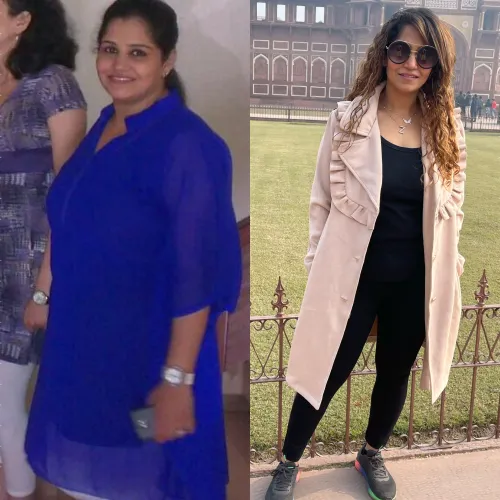



Choosing more protein is not enough to produce weight loss: your total intake, food choices, medical history, and ability to follow the plan all matter. By the end, you will know how to estimate a suitable target, compare local protein foods, prepare practical meals, and assess whether a clinical nutrition plan fits your needs.
Key takeaways
- Spread protein across breakfast, lunch, dinner, and planned snacks.
- Choose minimally processed protein foods that fit your calorie target.
- Check serving size, protein grams, sugar, and calories on powder labels.
- Ask a dietitian to account for your weight, health, activity, and routine.
Why protein matters, and how much you may need
Protein helps preserve muscle, repair skin and other tissues, and support enzymes, hormones, and immune function. During weight loss, adequate intake helps protect lean mass while a calorie deficit reduces fat; protein also makes meals more filling.
That is why protein is important, but adding unlimited paneer, nuts, shakes, or fatty meats can still undermine a weight goal.
Set a daily target from your body weight and circumstances, not a generic chart. A regularly training adult often uses 1.4–2.0 g/kg/day, a sports-nutrition range that needs individual adjustment; different targets may fit someone sedentary, older, pregnant, or managing kidney or liver disease.
A clinician should review diabetes, gastrointestinal disease, medications, and eating-disorder risk before setting a high-protein plan.
- Start with your weight trend, waist measurement, activity, age, and weight goal.
- Check your food pattern, meal timing, cooking access, budget, sleep, and adherence; a target you cannot sustain will not improve body composition.
- If kidney or liver disease, pregnancy, or another medical condition is present, obtain clinician-guided advice instead of copying an exercise target.
- Treat the number as a daily range, then monitor weight, strength, hunger, digestion, and relevant health markers. Adjust it when results or medical needs change.
How to distribute protein through a Khar workday
Aim for a meaningful protein serving at each eating occasion instead of saving most of it for dinner. For many active adults, roughly 20–40 g per meal is a practical reference, but your daily target remains more important and portions must fit your calorie and medical needs.
1. Breakfast: Choose two eggs with milk, paneer or tofu bhurji, or Greek-style yogurt with fruit and nuts. If you usually eat poha, upma, or toast, add curd, eggs, or a glass of milk.
2. Lunch: Build around dal, rajma, chana, soy chunks, chicken, fish, paneer, or tofu. Pair dal or beans with rice or roti, and include vegetables rather than doubling the starch.
3. Snack: Use curd, milk, roasted chana, boiled eggs, soy nuts, or a small paneer portion. These options can prevent arriving at dinner excessively hungry.
4. Dinner: Repeat a protein anchor such as fish, chicken, tofu, paneer, dal, or beans, with vegetables and a measured portion of rice or roti.
The best sources of protein in Khar depend on your diet, budget, cooking access, allergies, and health conditions. Keep protein portions consistent across weekdays, then adjust after observing hunger, weight trend, and energy.
Comparing protein foods for weight loss
A calorie-aware choice delivers enough protein without turning a modest meal into a high-fat one. The best protein sources for weight loss depend on your diet, budget, cooking time, and medical needs; portion size matters more than the label “high protein.”
| Option | Typical portion | Calorie-control advantage |
|---|---|---|
| Vegetarian: curd or Greek-style yogurt | 200 g, about 8–20 g protein | Choose unsweetened; Greek-style varieties usually provide more protein |
| Vegetarian: paneer | 75–100 g, about 14–20 g protein | Use a smaller portion; full-fat paneer adds substantial calories |
| Vegan: tofu | 150 g, about 18–22 g protein | Stir-fry with vegetables and little oil |
| Vegan: soy chunks | 30–40 g dry, about 15–20 g protein | Budget-friendly and protein-dense after soaking |
| Budget: dal, rajma, or chana | 1 cooked cup, about 8–15 g protein | Add vegetables; count the meal’s carbohydrate portion |
| Quick non-vegetarian: eggs, chicken, or fish | 2 eggs or 100 g cooked meat | Eggs are fastest; grilled chicken or fish gives more protein per calorie |
Protein grams are not nutritionally identical: digestible indispensable amino acids, assessed through methods such as DIAAS, also matter. Avoid unlimited nuts, paneer, or oil-based cooking, and check with a clinician before increasing protein if you have chronic kidney disease.
Protein powders, labels, and mistakes that change the result
Compare protein per calorie, not the word “high-protein” on the front. Check the serving size, grams of protein, total calories, added sugar, saturated fat, and ingredient list. A scoop mixed with whole milk, banana, oats, nut butter, or honey can become a meal-sized calorie load.
| Option | What to check | Main risk |
|---|---|---|
| Whey isolate or concentrate | Protein per scoop, lactose, added sugar | Extra calories from sweeteners or large servings |
| Soy or pea blend | Protein per scoop and complete amino-acid profile | Low protein density in heavily diluted products |
| Mass gainer | Calories, carbohydrate, and sugar per serving | It is designed to add weight, not support a calorie deficit |
| Ready-to-drink shake | Protein, calories, sugar, and bottle size | A two-serving bottle can double the intended intake |
Use water or unsweetened milk when appropriate, and measure one serving instead of adding powder by guesswork. Do not stack a shake on top of a full meal unless those calories fit your plan.
The best protein sources for weight loss depend on portions: dal, paneer, nuts, and full-fat dairy can provide protein while adding carbohydrate or fat. Keep vegetables, fibre, and a suitable carbohydrate portion.
If you have CKD G3–G5, do not increase protein independently; KDIGO 2024 suggests about 0.8 g/kg/day and avoiding above 1.3 g/kg/day when progression risk exists.
What a clinical nutrition consultation in Khar should assess
A reliable protein nutritionist in Khar assesses your health before increasing protein. Search for protein nutritionist Khar or clinical nutrition Khar, then check whether the practitioner reviews reports, explains risks, and schedules follow-up instead of selling a fixed meal chart.
A personalized nutrition plan Khar consultation should cover:
- Current body weight, weight trend, waist measurement, activity, sleep, and actual meal timings
- Medical history, medications, allergies, pregnancy status, and eating-disorder risk
- Kidney and liver health, diabetes, gastrointestinal conditions, and relevant blood reports
- Vegetarian or non-vegetarian preferences, religious choices, budget, cooking access, and work schedule
- A measurable goal, such as weight change, waist reduction, strength, glucose control, or improved symptoms
A gym recommendation usually focuses on training and a standard scoop or meal target. An online chart ignores your medicines, food access, and disease history; an unsupervised high-protein diet can be unsafe. KDIGO’s 2024 guideline suggests about 0.8 g/kg/day for adults with CKD G3–G5 and advises avoiding more than 1.3 g/kg/day when progression risk exists.
Ask how intake will be adjusted and monitored. The Zenlife is worth evaluating by whether its consultation connects food choices to your reports, routine, and follow-up results rather than simply using the word protein.
Related services
Clinical Nutrition Plan 3 – Clinical Nutrition | The Zen Life by Zainab Chunawala The Zen Life by Zainab Chunawala offers personalized Clinical Nutrition support... View service → |
Weight Management The Zen Life by Zainab Chunawala – Weight Management The Zen Life by Zainab Chunawala offers personalized Weight Management Plans designed to help... View service → |
Making the plan workable and judging whether it is helping
A personalized nutrition plan in Khar should fit your actual meal schedule and cooking access, not a generic chart. Place each protein serving beside a meal you can repeat, prepare cooked dal or eggs for the next two days, and review adherence after two weeks rather than judging one unusually light day.
Before increasing the target, complete these safety checks:
- Check kidney function; with CKD G3–G5, KDIGO suggests about 0.8 g/kg/day and avoiding intake above 1.3 g/kg/day.
- Review diabetes, liver disease, gastrointestinal disease, pregnancy, and eating-disorder risk with a qualified clinician.
- List medications and supplements that could affect appetite, digestion, kidney function, or blood sugar.
- Ask a protein nutritionist in Khar to interpret relevant reports and coordinate with your physician when disease is present.
Continue if your seven-day weight trend and waist measurement move toward the goal, while hunger and energy remain manageable. Change portions, food choices, timing, or the target after three to four consistent weeks if progress stops, side effects appear, or the plan repeatedly conflicts with work, budget, or cooking time.
Frequently asked questions
Why is protein important during weight loss?
Protein supports tissue repair, enzymes, hormones, immune function, fullness, and preservation of lean mass during a calorie deficit.
How should you distribute protein through a Khar workday?
Build protein into breakfast, lunch, dinner, and planned snacks instead of concentrating your entire intake in one meal.
What are the best protein sources for weight loss?
Compare foods by protein, calories, preparation method, fibre, and how well they keep you full. Options include dal, beans, eggs, fish, chicken, tofu, paneer, and unsweetened yogurt.
What should you check on a protein powder label?
Check the serving size, protein grams, calories, added sugar, ingredient list, allergens, and whether the powder fits your dietary and health needs.
What should a clinical nutrition consultation in Khar assess?
It should assess your weight goal, medical conditions, medications, food preferences, activity, meal schedule, cooking access, sleep, and previous diet attempts.