

Protein at Every Meal: Does It Really Matter?
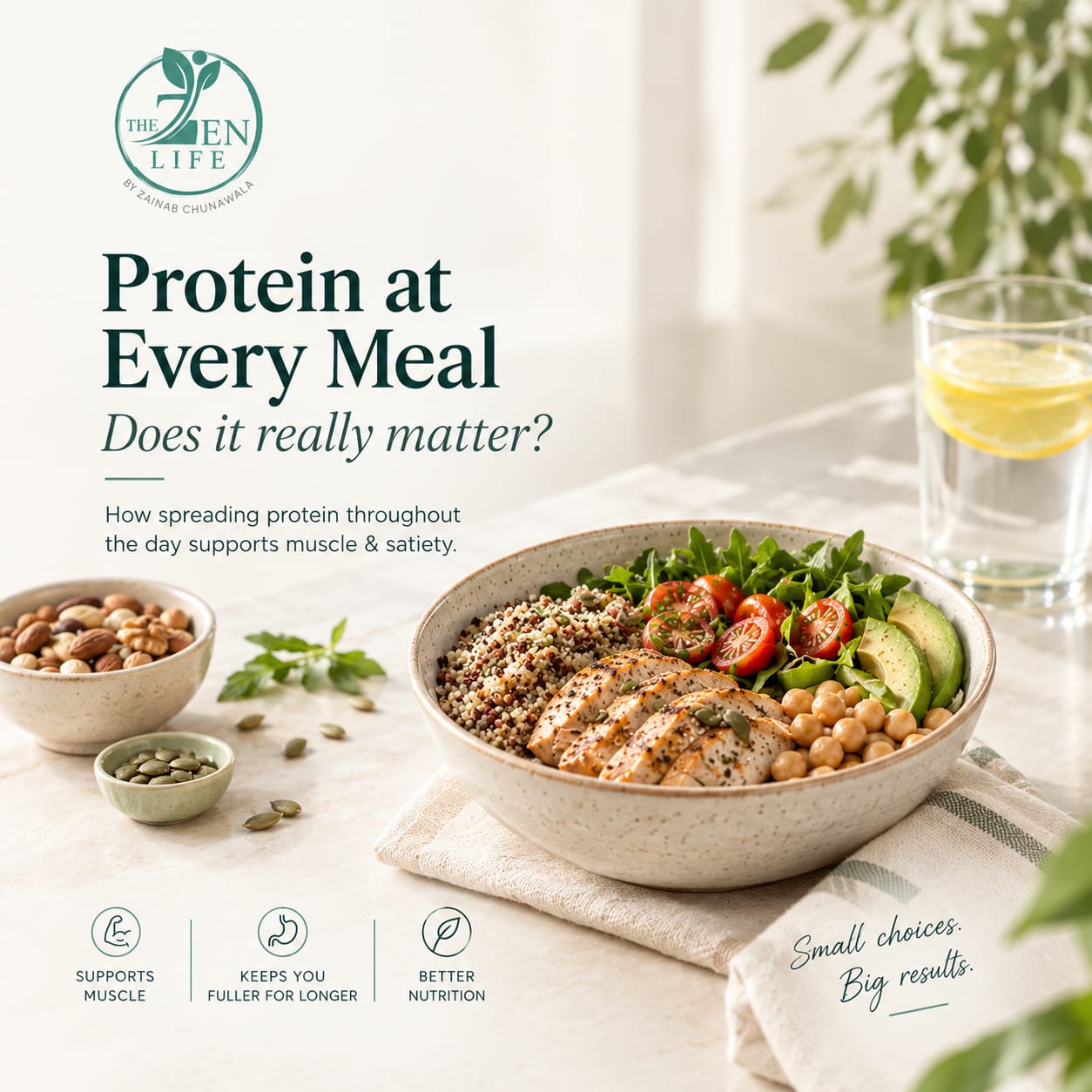
Your total daily protein intake matters most. Including protein across your meals is a practical way to help you meet your needs.
Protein supplies amino acids—the building blocks your body uses to maintain muscle, repair tissues and make enzymes and other essential proteins.
Adding a protein source to breakfast, lunch and dinner can make it easier to get enough throughout the day. Protein can also help you feel fuller after a meal, although its effects on appetite vary from person to person.
What does the science say?
Spreading protein across meals may support muscle protein synthesis—the process of building and repairing muscle. However, evidence that an even distribution leads to better long-term muscle outcomes is mixed. Getting enough protein overall, alongside regular strength training, remains the priority.
Make it practical:
🥚 Breakfast: Eggs, Greek yogurt or a paneer/tofu scramble
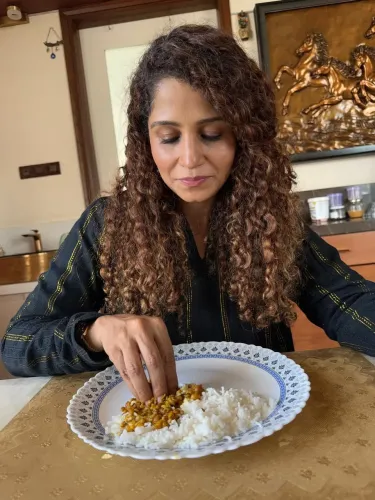
🌱 Lunch: Dal, rajma, chickpeas, tofu or paneer
🐟 Dinner: Fish, chicken, tofu or a combination of pulses and grains
Nuts and seeds contribute protein too, but work best as additions rather than the main protein source in a meal.
Your ideal amount depends on your age, body size, activity level, health and goals. Pair protein with vegetables, fibre-rich carbohydrates and healthy fats to build a balanced meal.
Aim for consistency, not perfection. Start by asking: “What’s the protein source in this meal?”
The Zen Life — Fuel your body. Nourish your life.