

Polycystic ovary syndrome can affect women differently. Changes in menstrual cycles, body weight, insulin sensitivity, acne, unwanted hair growth, and fertility concerns may occur, although not everyone experiences the same symptoms. A PCOS Nutritionist can help structure food and lifestyle habits around an individual's nutritional and metabolic needs.
Nutrition does not replace appropriate medical assessment for PCOS. It can, however, form an important part of broader lifestyle management.
Why PCOS Nutrition Needs Individual Planning
There is no single 'PCOS diet' suitable for every woman.
Before developing a plan, factors worth considering include:
- Current eating pattern
- Weight history
- Menstrual pattern
- Blood sugar and insulin-related concerns
- Lipid profile
- Physical activity
- Sleep
- Stress
- Digestive symptoms
- Food preferences
- Current medicines and supplements
Women with PCOS may also have completely different goals. One may want to improve meal quality without losing weight, while another may be working towards fat loss under appropriate guidance.
What a PCOS Nutrition Plan May Include
The process often begins with improving overall diet quality and meal consistency.
Meals may be structured around adequate protein, fibre-rich foods, vegetables, appropriate carbohydrate portions, and healthy fats. The objective is not automatically to eliminate carbohydrates.
Regular movement and resistance exercise may also support metabolic health and body-composition goals.
At The Zenlife, Zainab Chunawala works with women seeking personalised nutrition and lifestyle guidance in Bandra.
How Long Does Nutrition Support Take
PCOS management should not be judged by a few days of dieting.
Changes in weight, waist measurements, eating behaviour, fitness, and metabolic markers occur at different rates. Menstrual patterns can also be affected by multiple hormonal and medical factors.
A useful programme therefore reviews progress periodically and adapts recommendations rather than promising a fixed outcome within a predetermined number of weeks.
Benefits and Risks of Dietary Changes
Structured nutrition may help women improve dietary quality, meal planning, weight-management habits, and overall metabolic health.
Extreme approaches can create problems. Very low-calorie diets, unnecessary elimination of multiple foods, and excessive reliance on supplements can make eating difficult to sustain and may compromise nutritional adequacy.
Women taking glucose-lowering medication should also consider how significant dietary changes may affect blood sugar management.
Preparing for Nutrition Support
Before beginning, collect relevant reports and write down your typical weekday and weekend meals. Note cravings, skipped meals, sleep patterns, exercise, and difficulties that have caused previous plans to fail.
After beginning, track how the plan fits your routine. Persistent hunger, low energy, digestive discomfort, or difficulty maintaining meals are useful feedback for adjustments.
Frequently Asked Questions
Must women with PCOS stop eating rice?
No single food needs to be universally prohibited. Portions, meal composition, total dietary pattern, and individual response are more relevant.
Can lean women have PCOS?
Yes. PCOS is not limited to women who are overweight.
Is weight loss always required?
No. Nutrition goals should reflect the individual's body composition, health status, symptoms, and clinical needs.
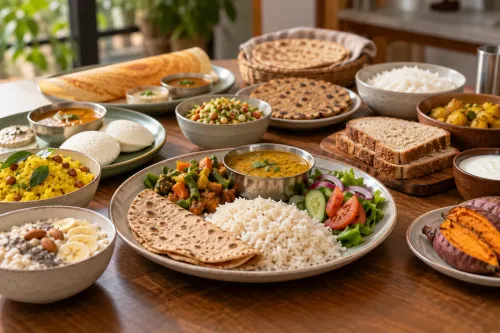
For women in Khar, practical PCOS nutrition should fit everyday Indian eating patterns while remaining personalised enough to address individual needs.